See clearly today
We start with a full children's eye examination and prescription check so your child can see comfortably at distance.
Children's vision can change quickly through the school years. At iFocus Ashfield, we check your child's prescription, eye health, frame fit and lifestyle before recommending MiYOSMART, Stellest, Ortho-K or routine monitoring.
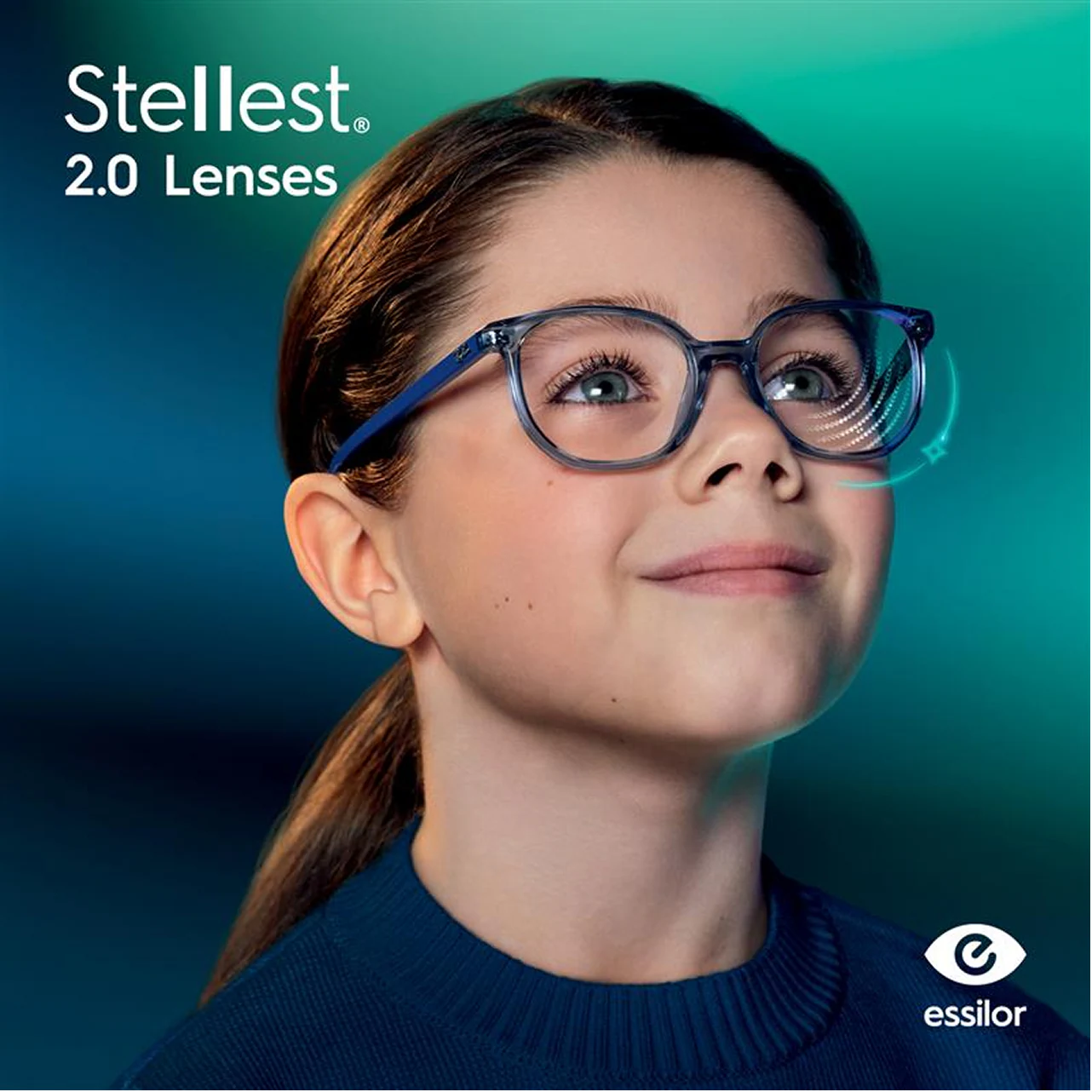
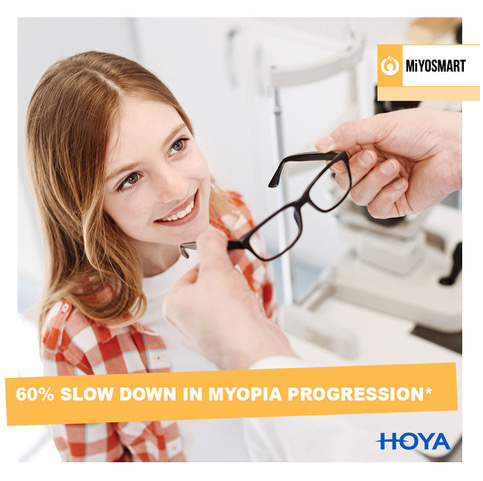
Frame selection and lens fitting are checked carefully for myopia-control lens performance.
Standard glasses correct blur, but myopia-control care looks at how your child's short-sightedness is changing over time. We explain the options in plain language and choose a pathway that fits your child and family routine.
We start with a full children's eye examination and prescription check so your child can see comfortably at distance.
Family history, age, prescription changes, screen use and outdoor time help guide the recommended review schedule.
Myopia-control lenses need the right frame fit, wearing habits and follow-up care to work well in everyday life.
Suitability is checked by our optometrist. These options are not one-size-fits-all, so the final recommendation depends on prescription, age, eye health and how confident your child is with glasses or contact lenses.
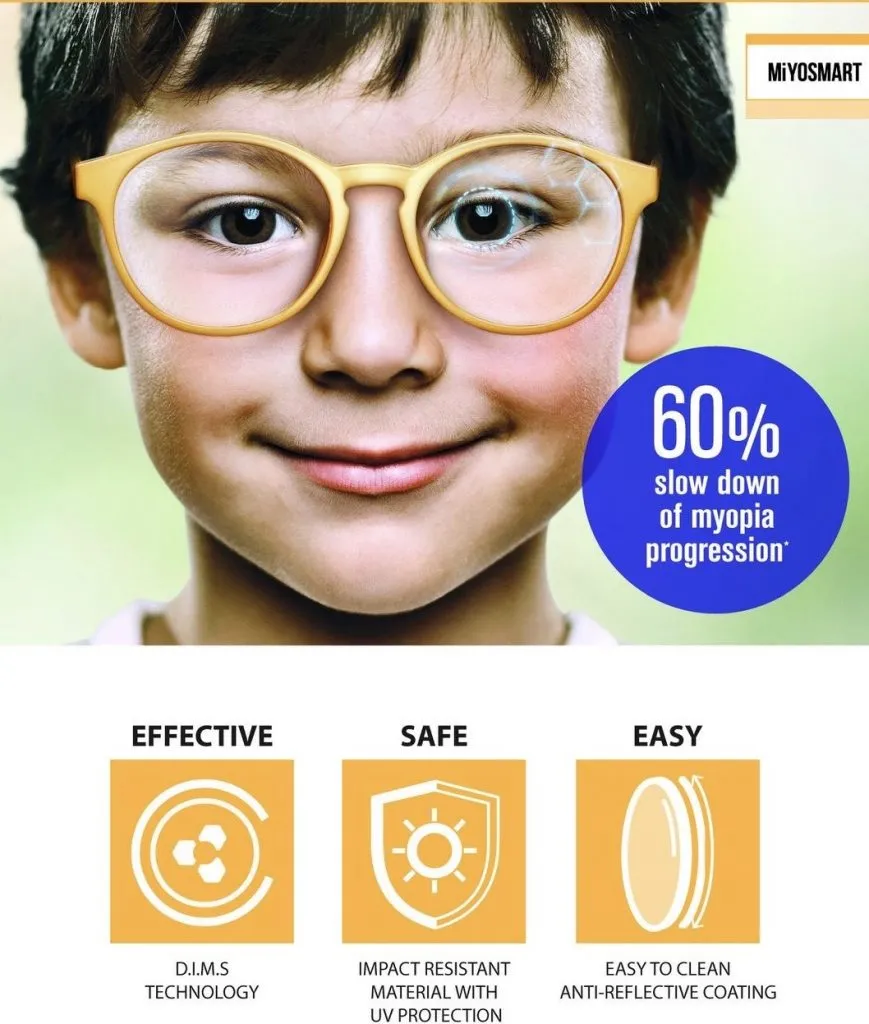
Daily-wear spectacle lenses for children with myopia. We pay close attention to frame size, fitting height and stable wear.
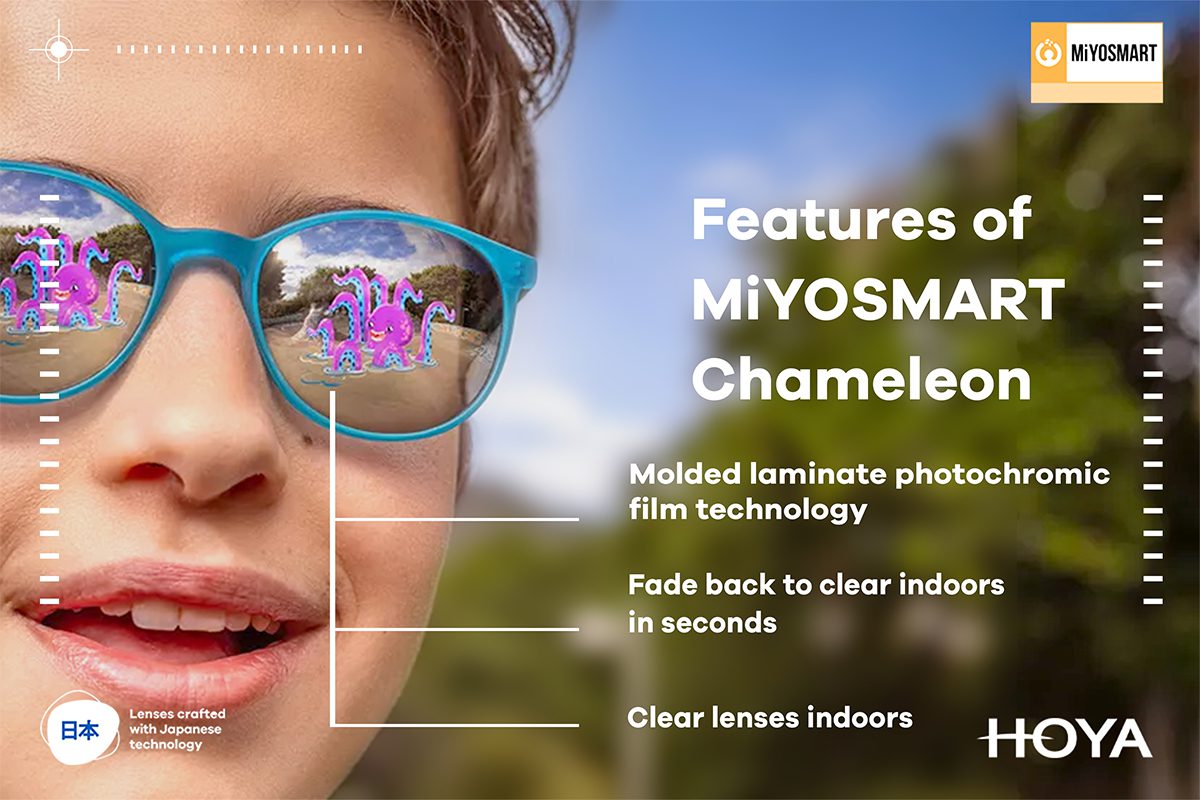
A premium myopia-control spectacle lens pathway for children and teenagers who need clear full-time wear.
Overnight contact lenses for suitable children.
Specially fitted rigid contact lenses worn overnight. Many children can enjoy clearer daytime vision without glasses.
These short clips help parents understand myopia, HOYA MiYOSMART iQ and Essilor Stellest before an in-store discussion. Suitability still depends on your child's prescription, eye health, frame fit and review history.
Educational video explaining what myopia is and why children's short-sightedness should be monitored.
Video clip about HOYA MiyoSmart iQ spectacle lenses for children with progressing myopia.
Video clip about Essilor Stellest myopia-control spectacle lenses for children and teenagers.
These are guide prices for planning. The final quote is confirmed after the eye exam, lens choice, frame selection, health fund eligibility and any clinical requirements.
Includes vision, prescription and eye health checks. We discuss myopia risk and whether control options should be considered.
For children suited to myopia-control spectacle lenses. Frame, coating and prescription complexity can change the final price.
For suitable children interested in overnight contact lenses. Pricing depends on corneal measurements, lens design and aftercare needs.
Health fund rebates may apply depending on your cover. Myopia-control lenses may help slow progression, but results vary and suitability must be assessed in person.
Book a check if your child is squinting, sitting close to screens, complaining of headaches, avoiding reading, closing one eye, or if there is a family history of myopia.
We keep the visit calm and parent-friendly, then explain the findings in plain language.
We measure how clearly your child sees and whether glasses or an updated prescription are needed.
We consider eye health, family history, screen habits, outdoor time and symptoms.
We explain MiYOSMART, Stellest, Ortho-K or monitoring and confirm what suits your child.
Reviews help us adjust the plan as your child's eyes and routine change.
The right answer depends on your child's age, prescription, progression and confidence with lens care.
If your child has myopia, they need glasses or contact lenses to see clearly. Stellest glasses are simple and familiar: put them on in the morning, wear them through school and daily activities, then take them off at bedtime. Contact lenses may suit older or more responsible children who want freedom for sport, outdoor activities or appearance, but they need careful handling and good hygiene to reduce infection risk. Some children may use both on different days, depending on the optometrist's advice.
Clinical research has reported that Essilor Stellest lenses can slow eye growth and myopia progression in children when worn consistently. Five-year research reported 1.75D less myopia progression compared with single-vision lenses, and a lower risk of progressing to high myopia. The best results rely on good full-time wear, commonly around 12-15 hours per day, and regular reviews. Results vary between children, so we confirm suitability and progress during follow-up visits.
Stellest lenses are designed to give clear distance and near vision while adding myopia-control treatment zones in the lens. Research has reported that image clarity, focusing, eye coordination and depth perception are similar to standard single-vision glasses, and many children adapt quickly. Some children still need a short adjustment period with any new glasses, so we check comfort and vision after fitting.
Stellest works best when worn as the main pair of glasses during waking hours. Essilor recommends wearing them every day for at least 12 hours, except when sleeping or showering. This is similar for most myopia-control treatments: if lenses are only worn at school, or skipped on some days, the effect may be reduced.
Not always. Frame size, position, stability and fitting height matter, so our team checks the frame before ordering myopia-control lenses.
Many children need regular reviews during treatment. We set the interval after the eye exam and adjust it if the prescription changes quickly.
No. Ortho-K needs healthy eyes, suitable corneal shape and reliable hygiene. Parents also need to feel comfortable supporting lens care.
Often yes, depending on your cover and item limits. We can give you an itemised quote to check with your health fund before ordering.
Extra reading for parents comparing spectacle lenses, contact lenses and overnight lens options.
Our Ashfield team can check your child's vision, explain whether Stellest, MiYOSMART, Ortho-K or contact lenses are suitable, and help you choose a comfortable plan for school, sport and everyday life.